
Margin and performance visibility
Bring orders, discounts, returns, product costs, payment costs, fulfillment, and marketing data into a traceable management view.
 Loading Mindscape Analytics
E-commerce profit and inventory intelligence
Connect sales, product costs, returns, fulfillment, advertising, and stock movement in one operating view. See how contribution margin, blended marketing efficiency, and inventory runway are defined before deciding what to build.
Product interface examples
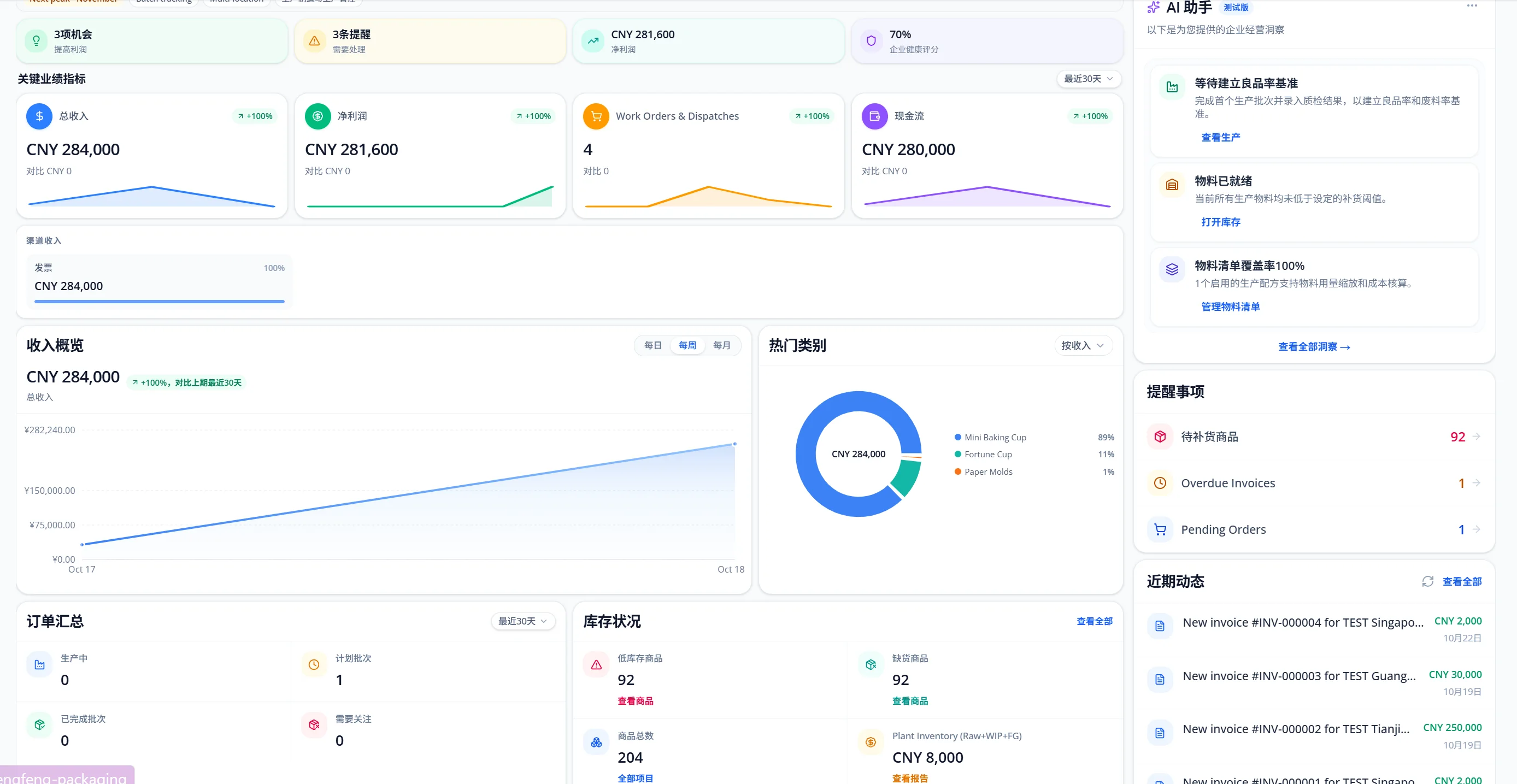
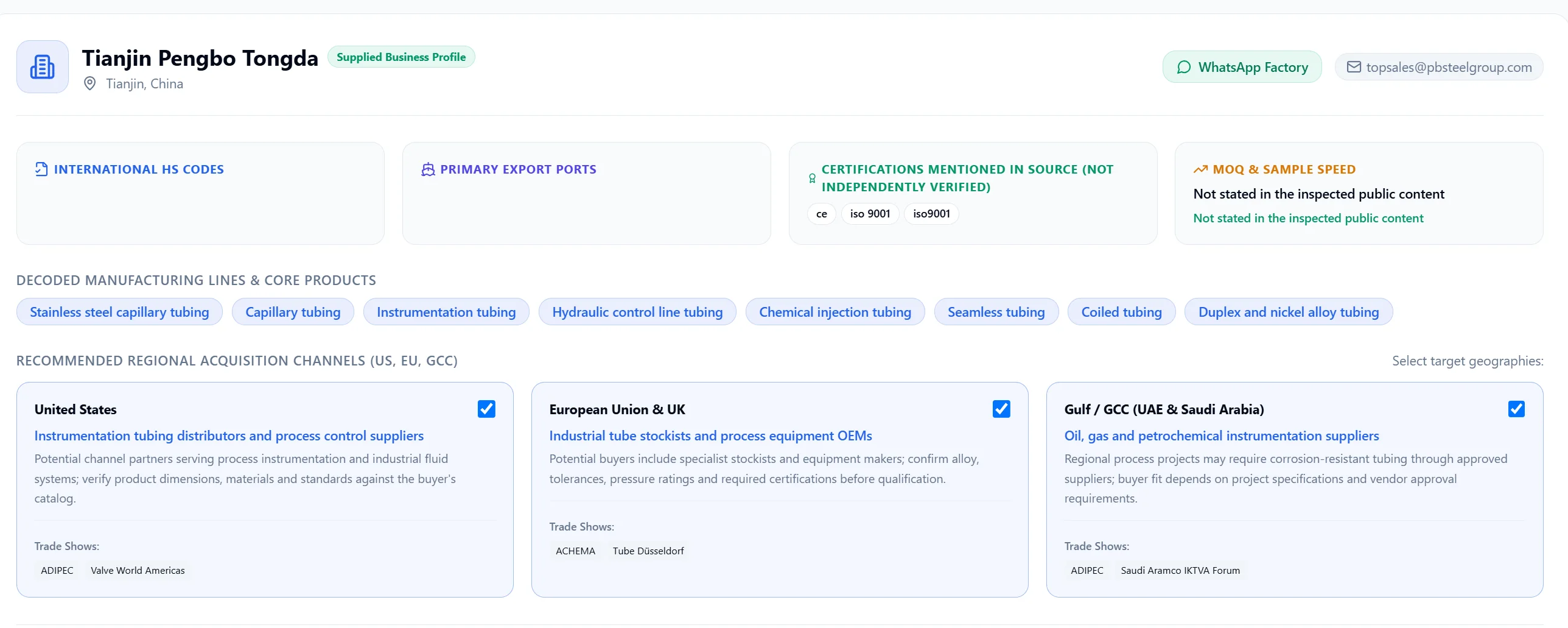
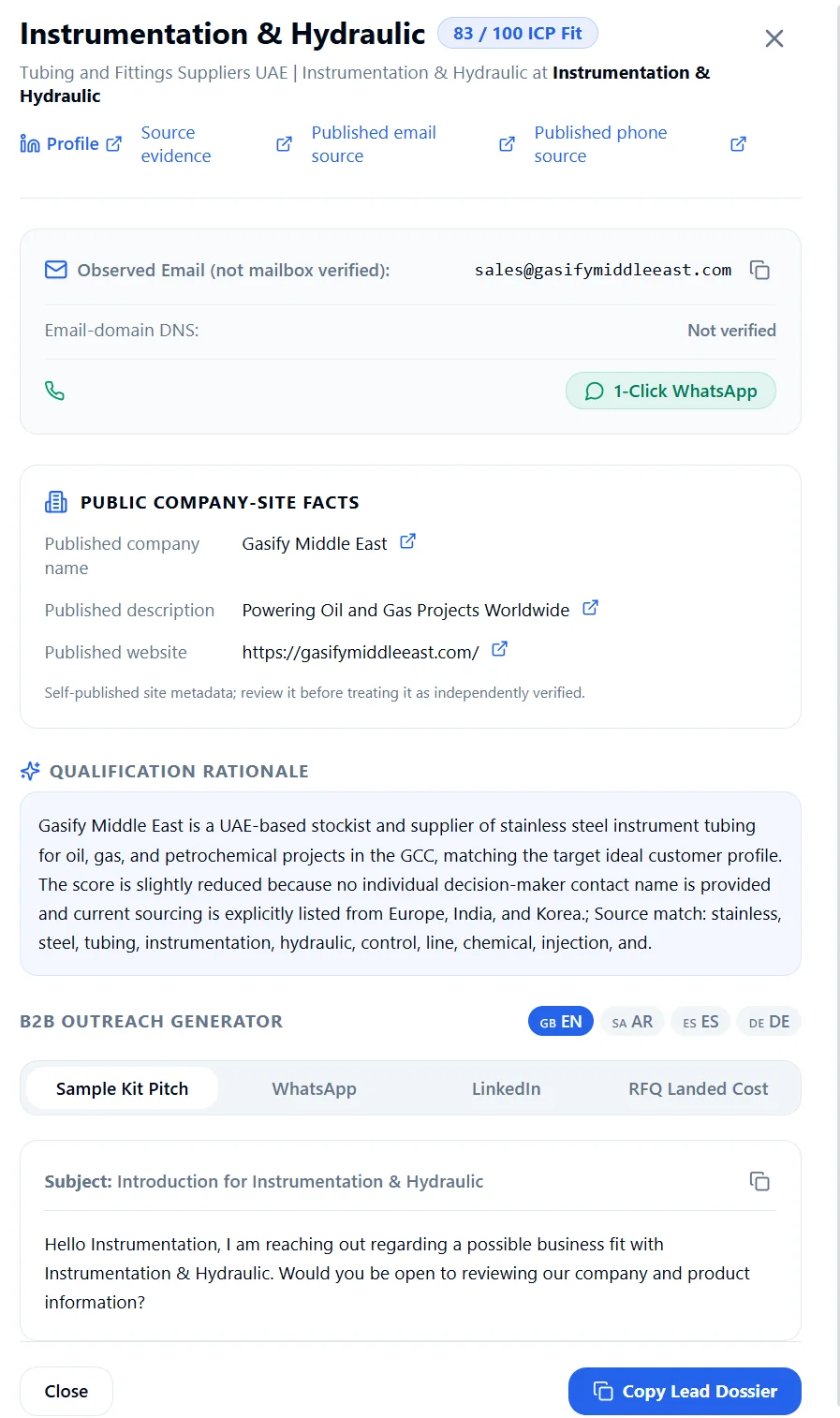
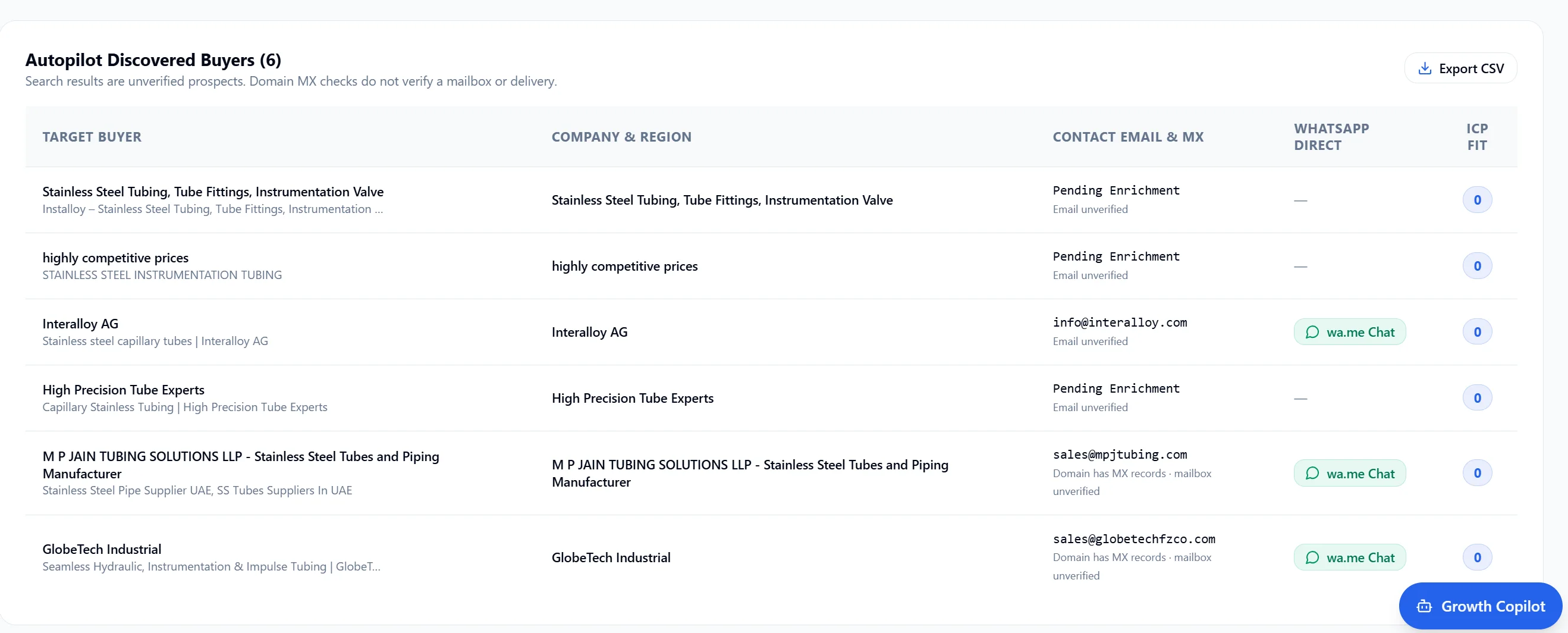
These supplied product screens illustrate finance, inventory, production, and buyer-research workflows. Figures and records shown are interface examples; they are not verified customer outcomes, live integrations, or proof of deliverability.
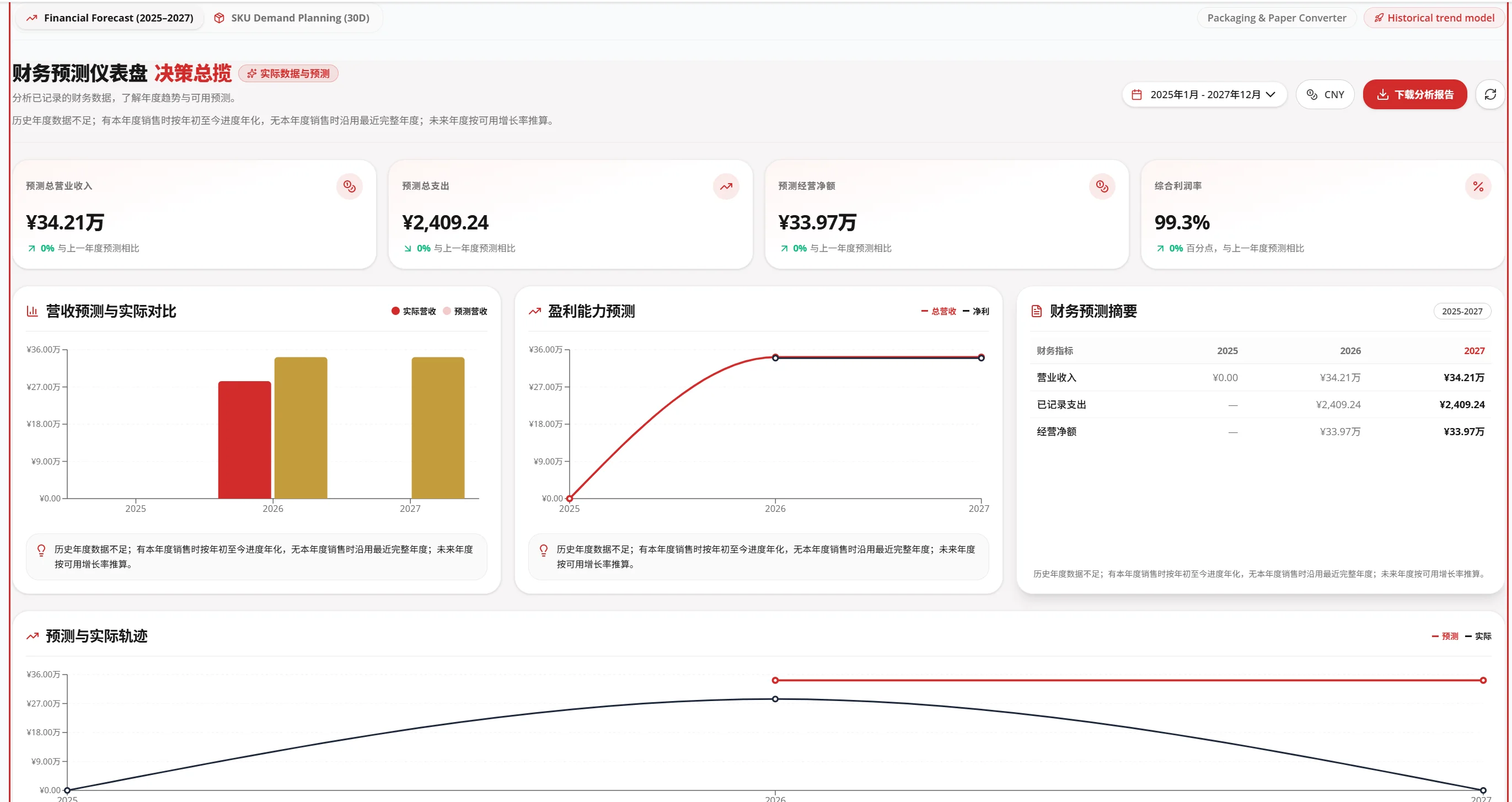
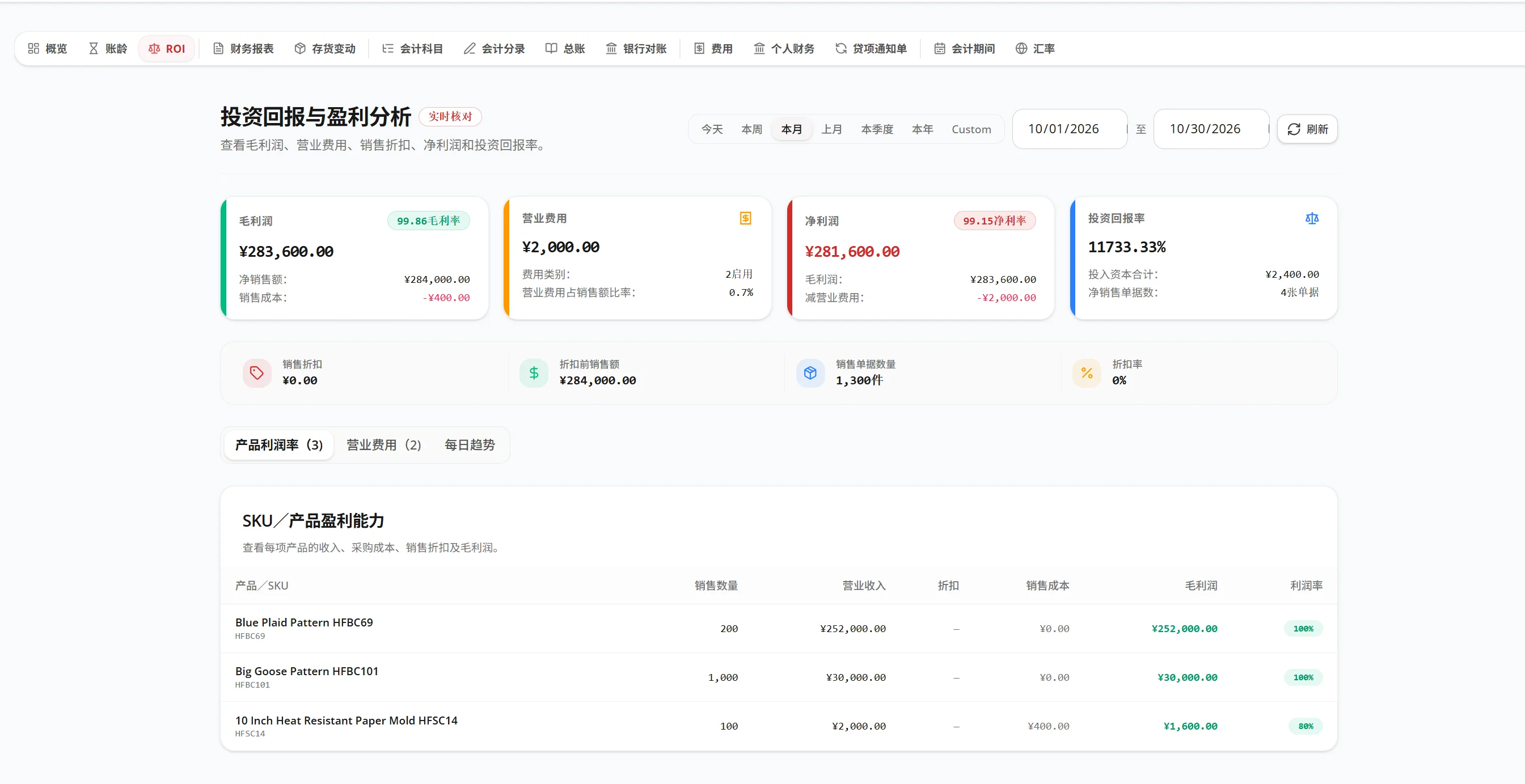
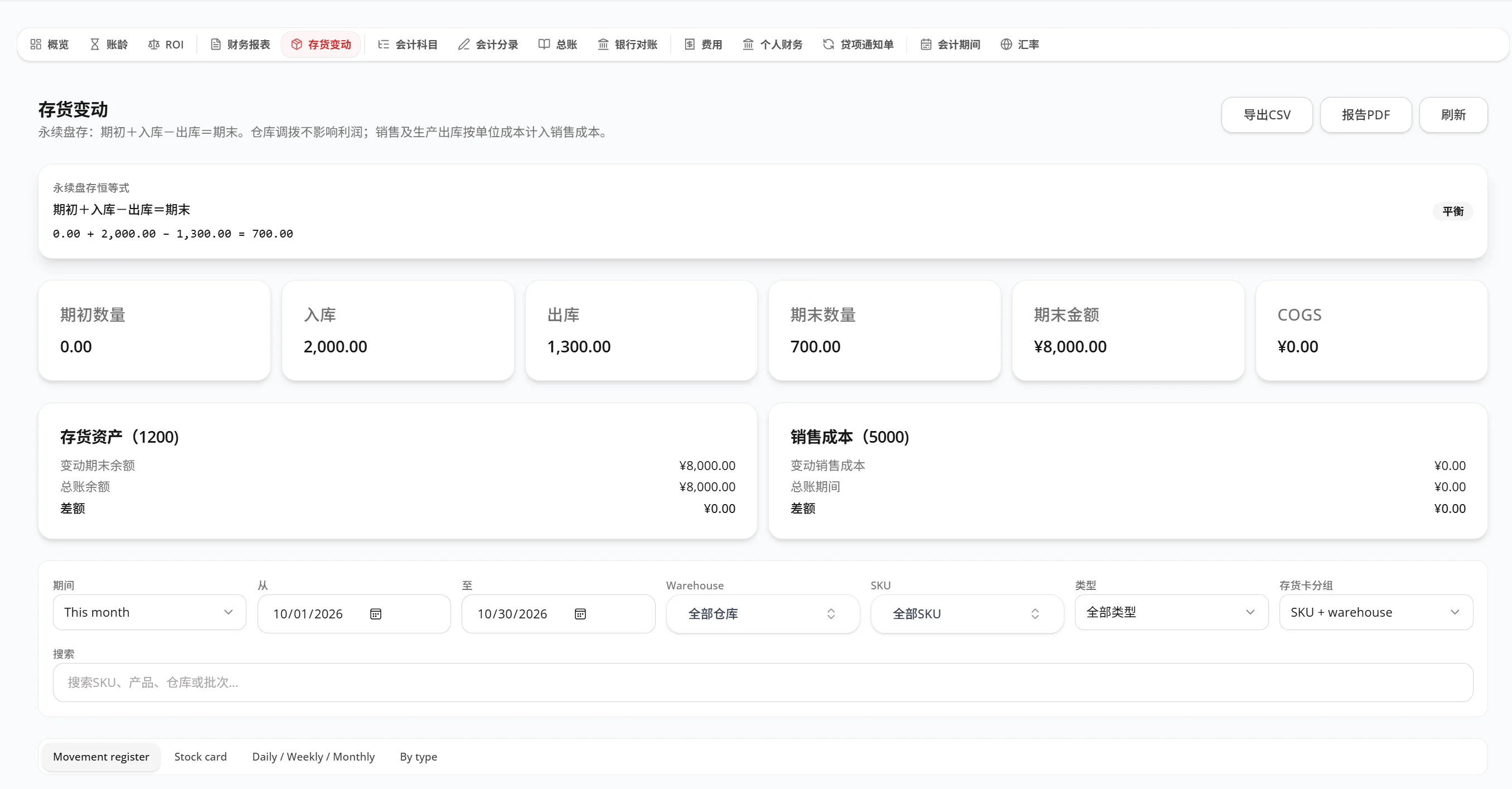
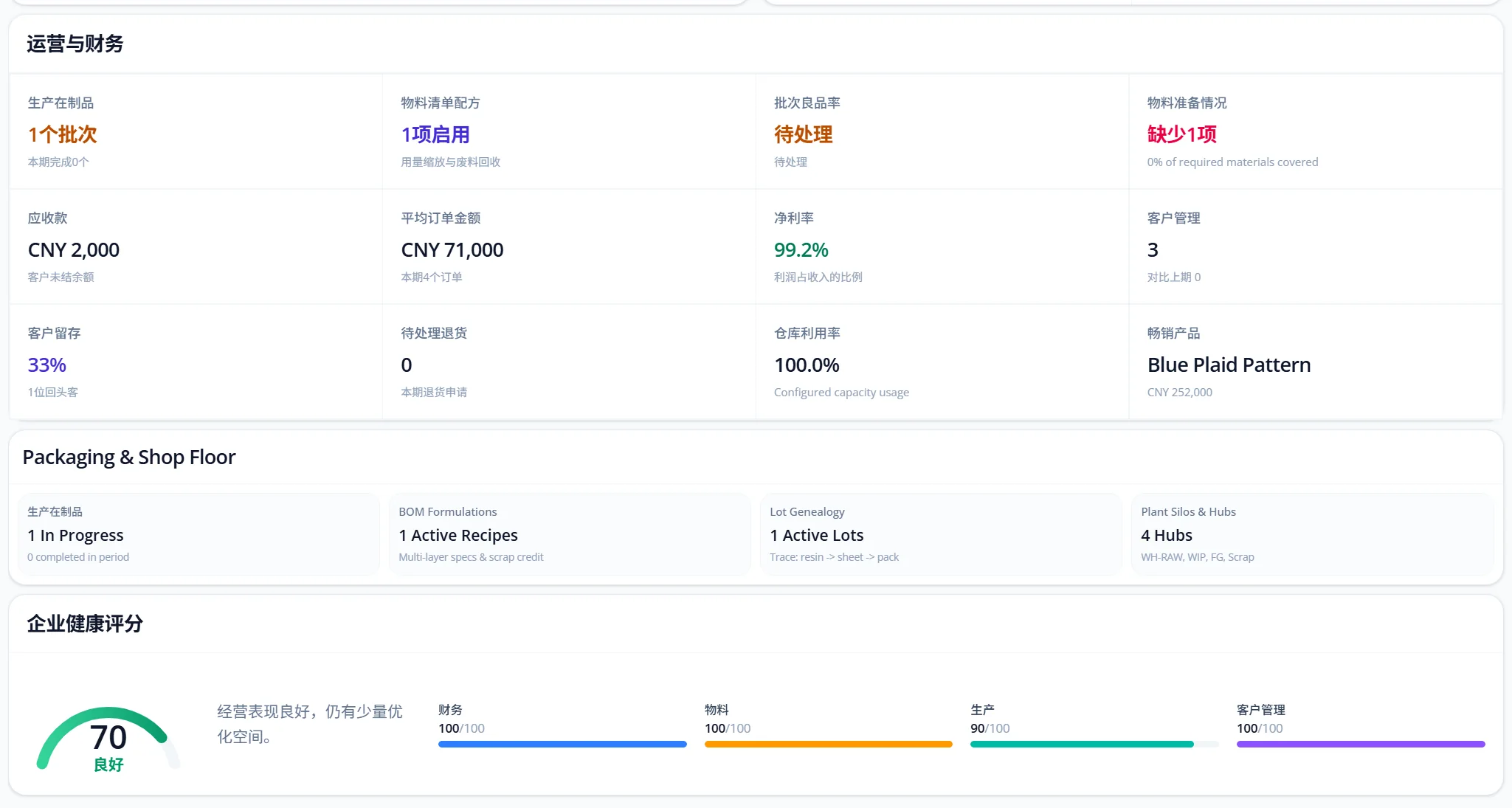
Decision-ready operations
Bring orders, discounts, returns, product costs, payment costs, fulfillment, and marketing data into a traceable management view.
Make stock movement, product availability, material readiness, and operational exceptions visible before they become a customer problem.
Connect reports, alerts, approvals, customer context, and the next operational task without removing human judgment.
Start with a defined diagnostic
Map net sales, product costs, payment and fulfillment costs, and marketing spend. Contribution margin after marketing (often called CM3) excludes overhead and taxes unless separately included.
Define MER as agreed revenue divided by total marketing spend for the same period. Keep platform-reported ROAS separate and document returns, currencies, and attribution assumptions.
Compare usable stock with expected demand and replenishment lead time. Forecasts should show assumptions, missing inputs, and uncertainty.
The diagnostic scope includes a source inventory, metric definitions, data-quality gaps, and a prioritized implementation roadmap. We agree the fee, access, and turnaround before work starts.
An agreed reporting view, documented margin definitions, source reconciliation, and a handoff walkthrough. Sources, historical coverage, refresh cadence, acceptance checks, and support are fixed in the proposal.
An agreed stock and demand view, exception alerts, review rules, and a handoff walkthrough. Warehouse coverage, forecast assumptions, integrations, and ongoing maintenance are fixed in the proposal.
Both sprints are quoted after discovery. Connector subscriptions, source-data cleanup, and additional integrations are itemized separately when required.
Discuss your diagnostic Agency partner? Discuss reporting delivery for your clientsQuestions
The scope starts with the systems your team already uses, such as commerce platforms, advertising data, inventory records, fulfillment tools, finance data, and customer-support workflows. We confirm available access and data quality before defining the build.
No. The work improves visibility, workflow consistency, and operational decision-making. Actual commercial results depend on product economics, demand, operating discipline, data quality, and decisions outside the system.
We begin with a short architecture conversation to understand the operating question, current systems, ownership, data availability, and the decision the team needs to make more reliably.